Story 01 · Strategy
Ninebot Dz
“Why do you want to make this scooter?”
- Client
- Segway-Ninebot · ICONA Design
- My role
- Design Lead
- Year
- 2021 · launched 2024
- Type
- Production
The brief felt familiar. Futuristic, advanced, smart, for a young audience.
It sounded like every other project. Nothing wrong with it. Nothing new in it either.
01
So I asked a simple question.
We had a brief, a moodboard and a room full of ideas. But the client already had several scooters in its lineup. Why invest in another one? Why not improve what already existed?
So I asked them directly: “Why do you want to make this scooter?” The first answers were the expected ones: a new product line, a different character, something fresh. None of them explained the real need. I kept asking.
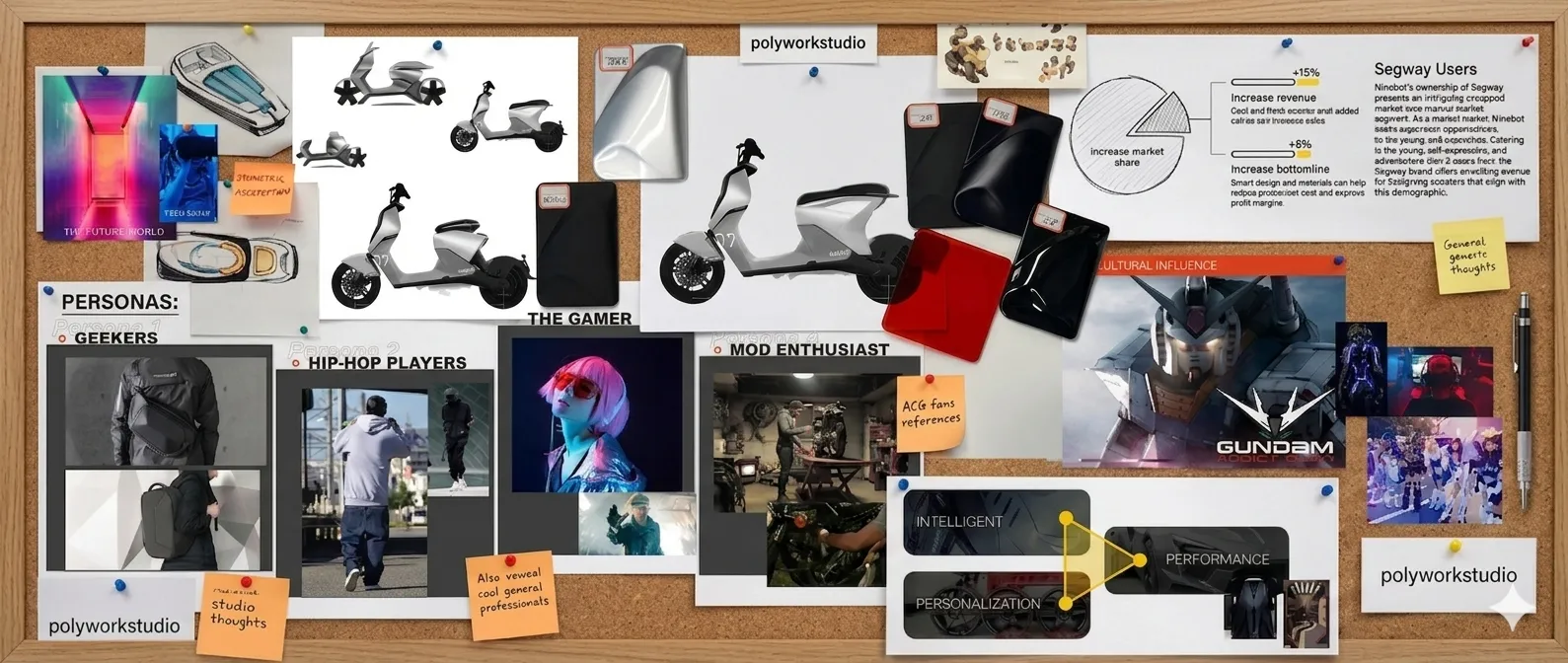
Their market share had stopped growing.
That moment changed everything. This was no longer about designing a scooter. It was about unlocking growth.
The riders nobody was designing for.
Looking across their ecosystem, one thing stood out: Segway. A brand they owned, with a completely different kind of rider. Younger, more active, more expressive, more design-aware. And no scooter had been made for them.

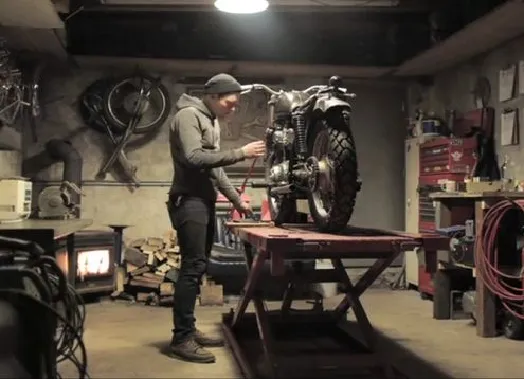

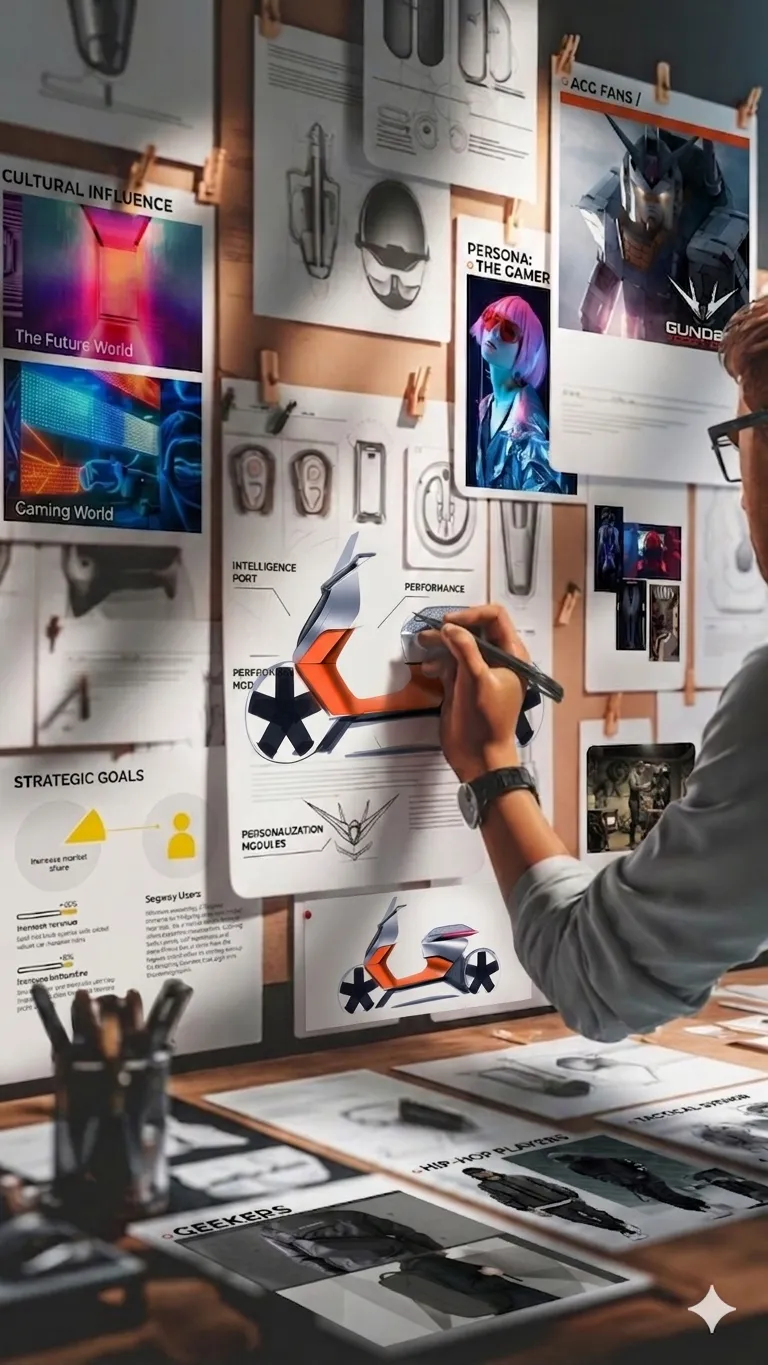
Our North Star
Design a scooter that Segway riders are proud to own, and others want to have.
From that point on, every decision had a reference. Performance, personalisation, intelligence. Not taste, not opinion. Clarity.
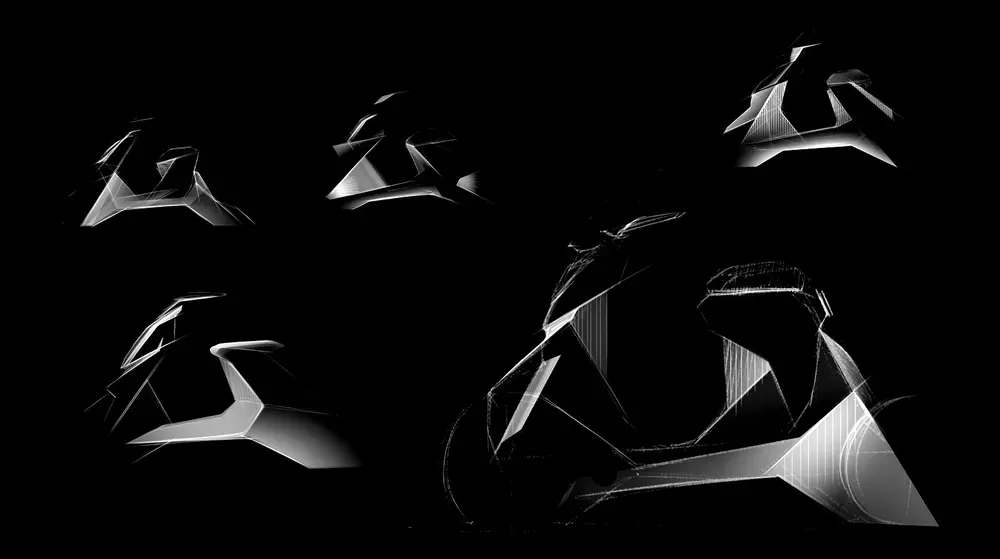
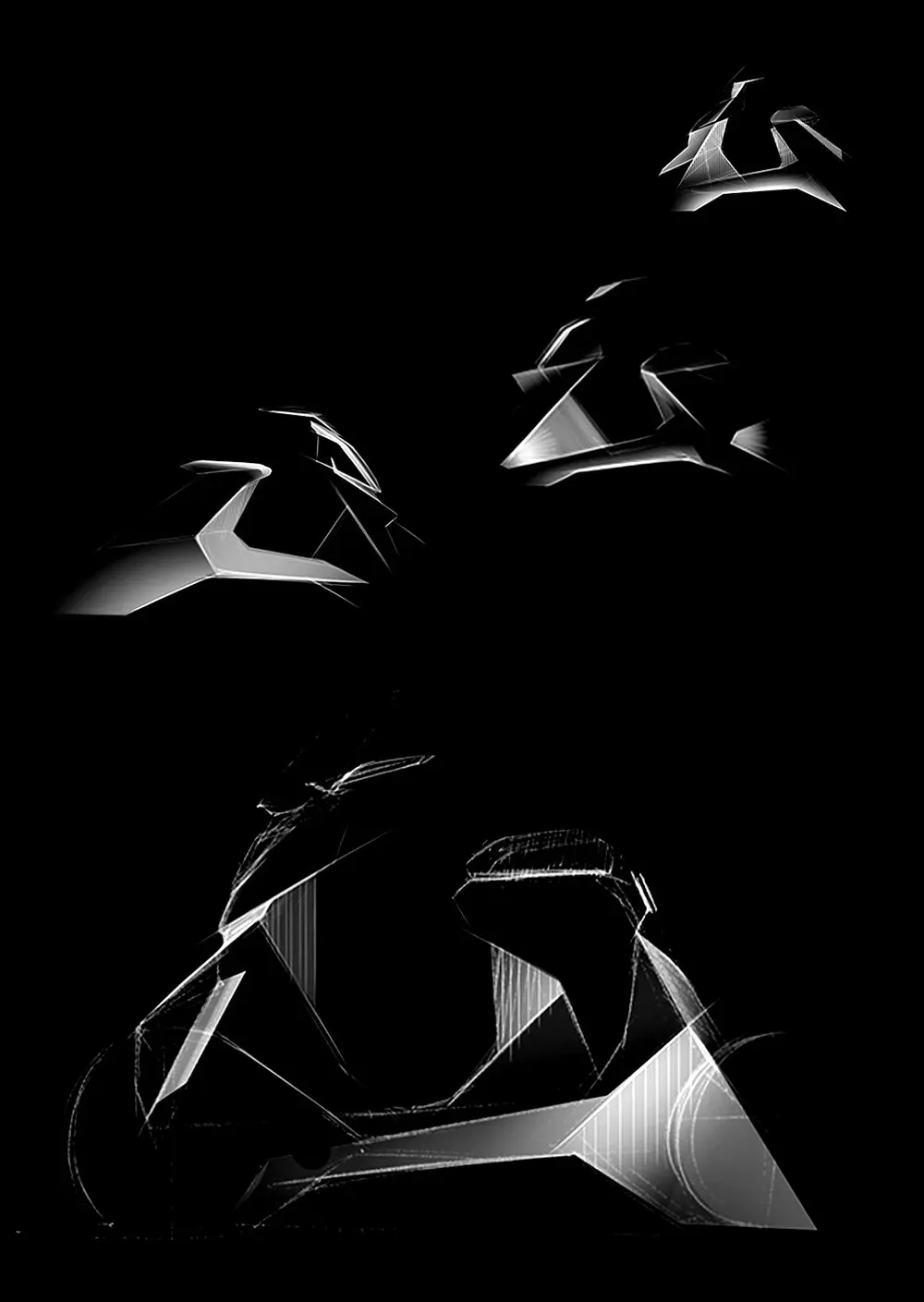
From the sketchbook
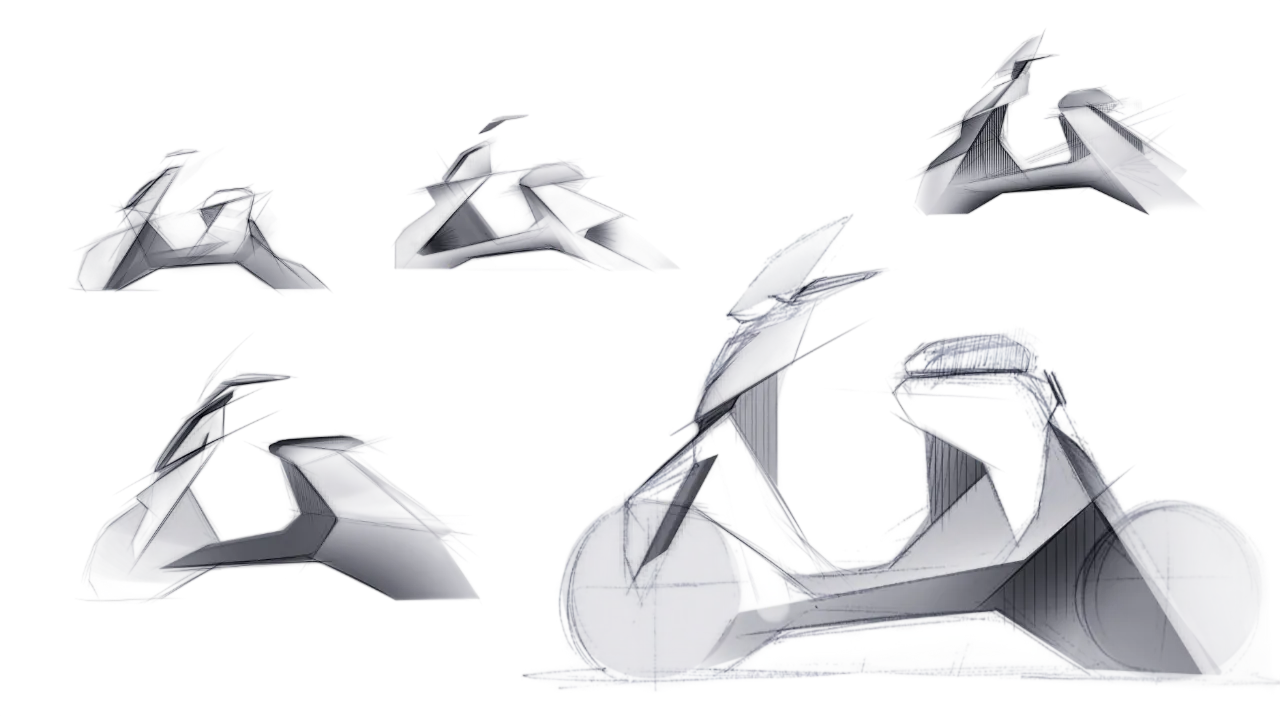
From five words to one stance.
Armoured and layered. Bold and iconic. Technical. Performance-led. Personal. We explored hard inside that frame, then chose the direction with the strongest pull for our riders: an aggressive, forward-leaning stance with Segway DNA.
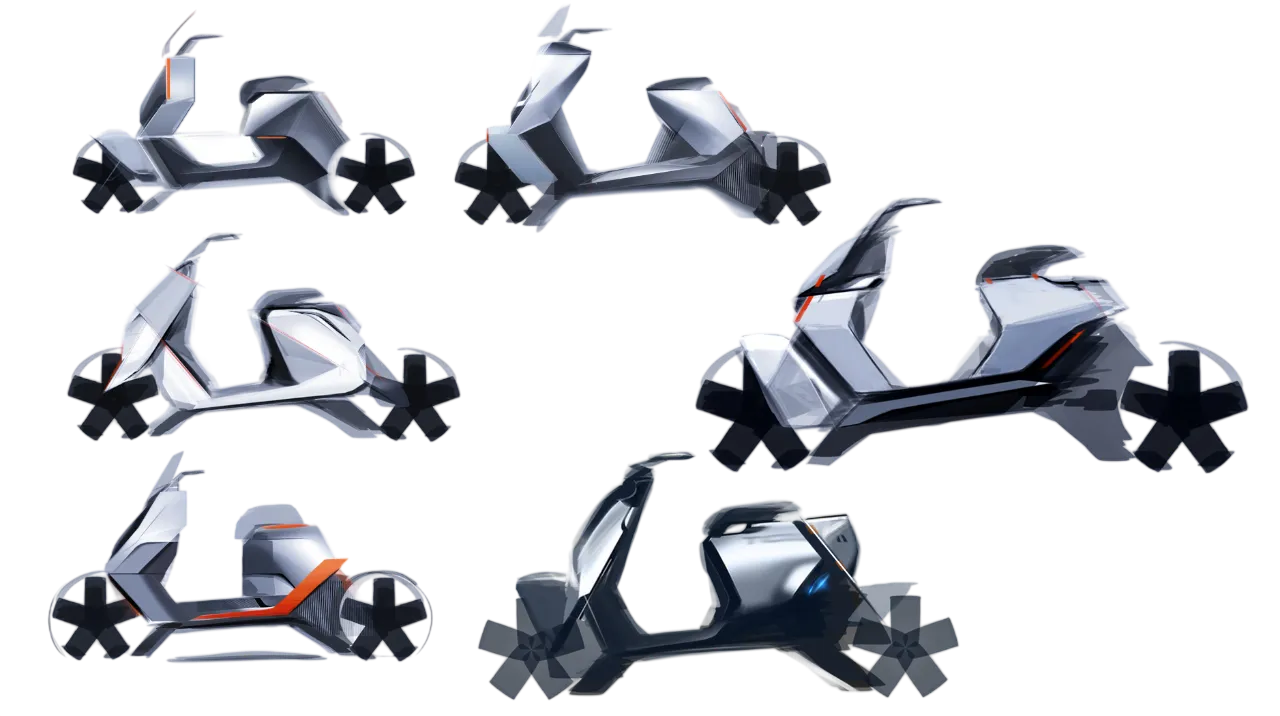
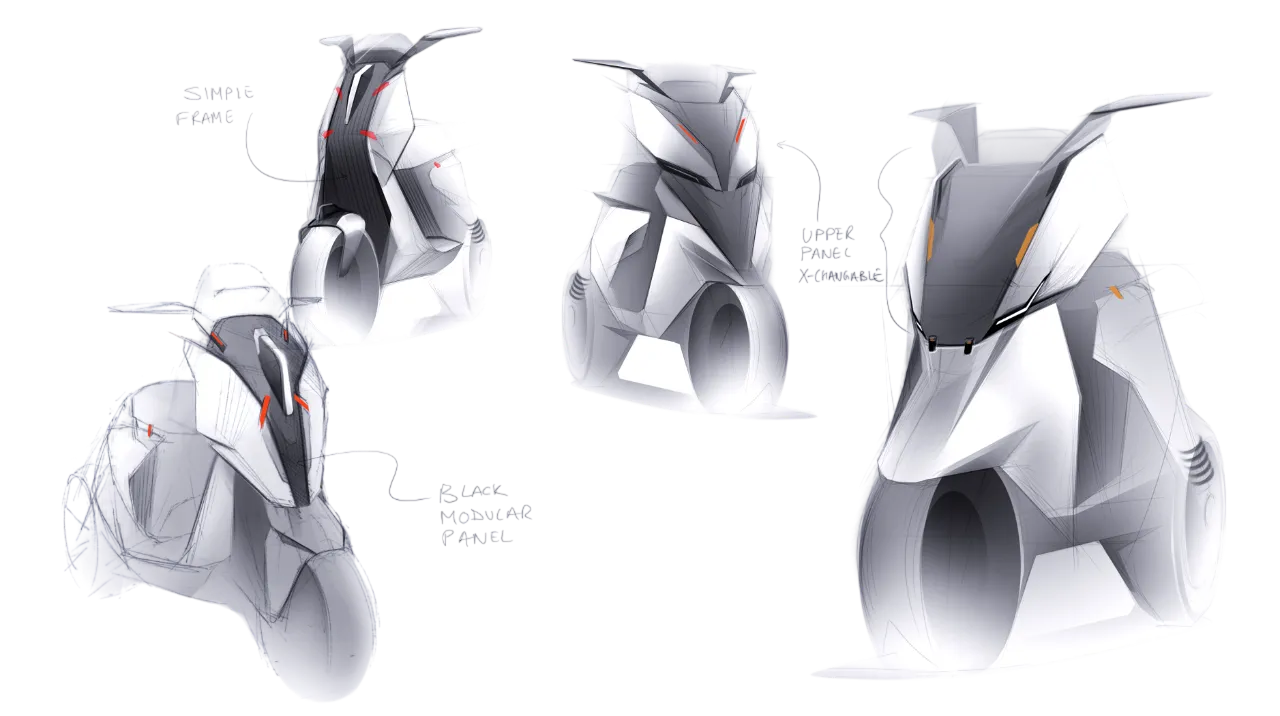
Then the design had to survive reality.
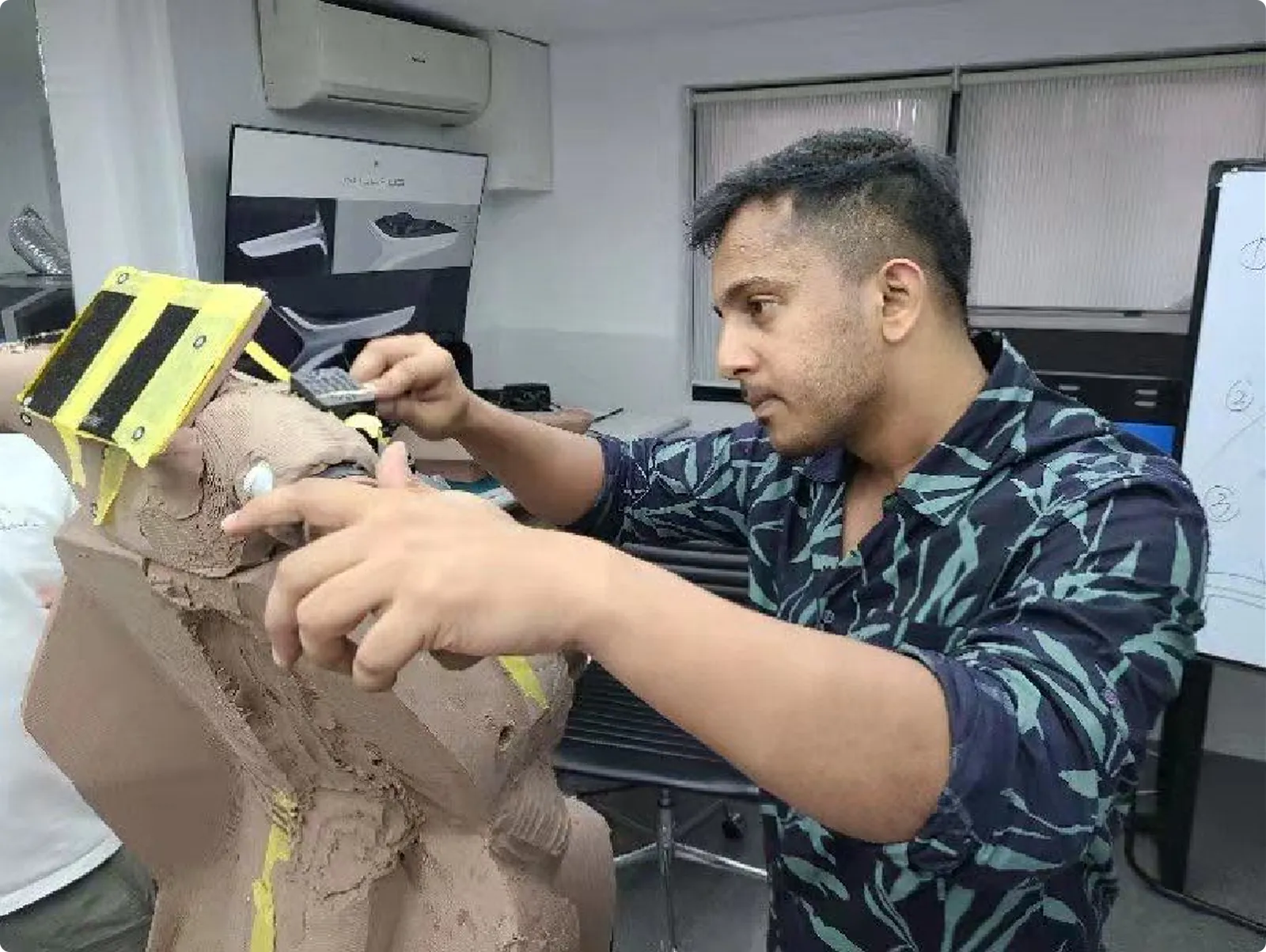
Clay, prototype, engineering reviews, cost. This is where good ideas usually die quietly. We protected the intent and solved problems instead of flagging them.
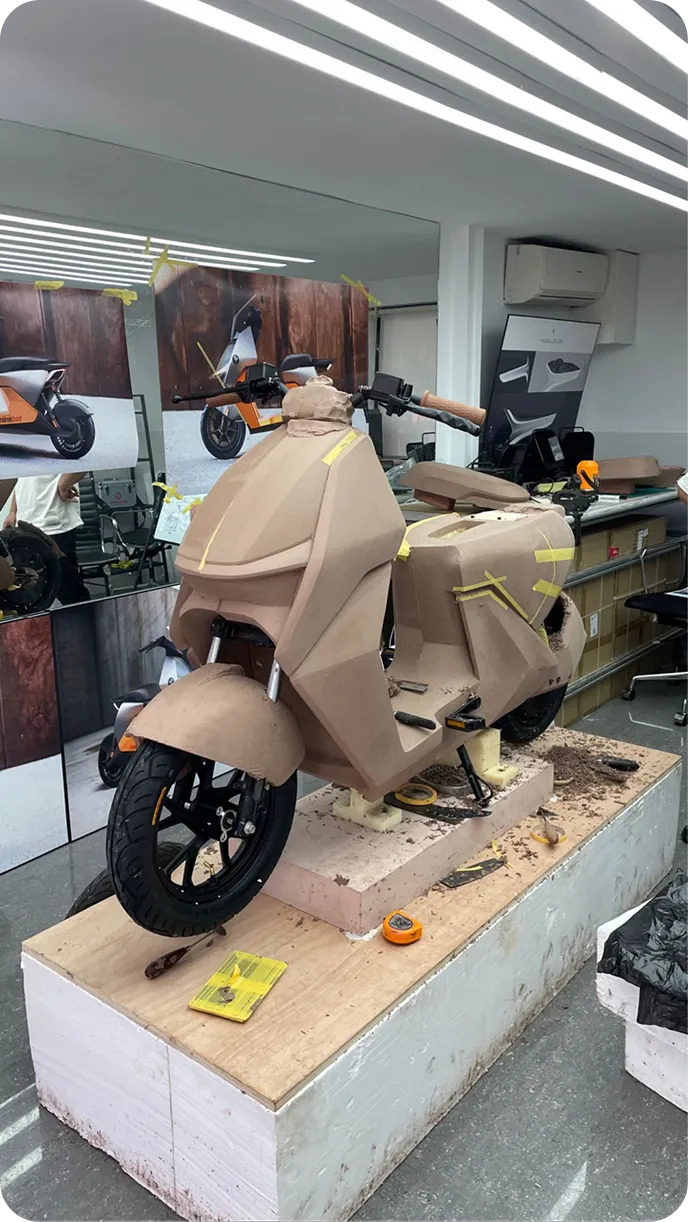
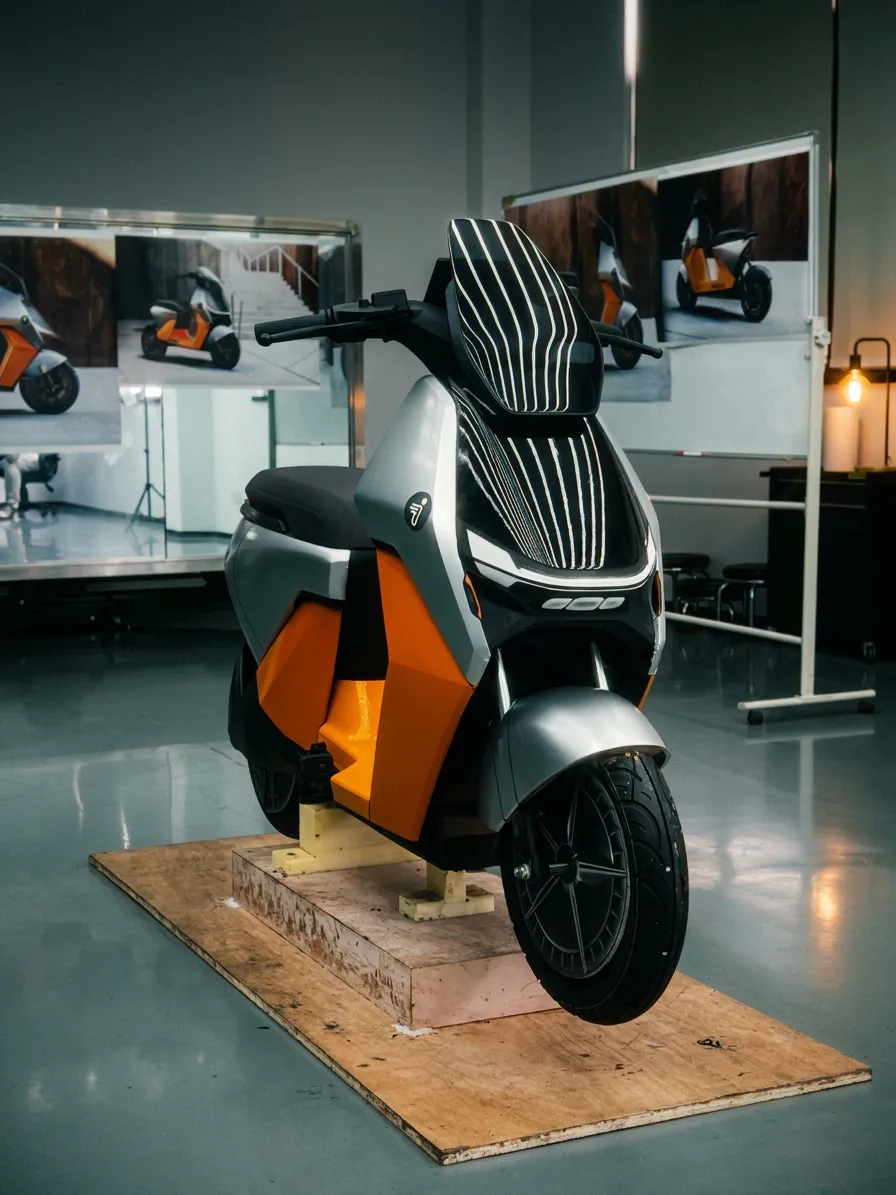
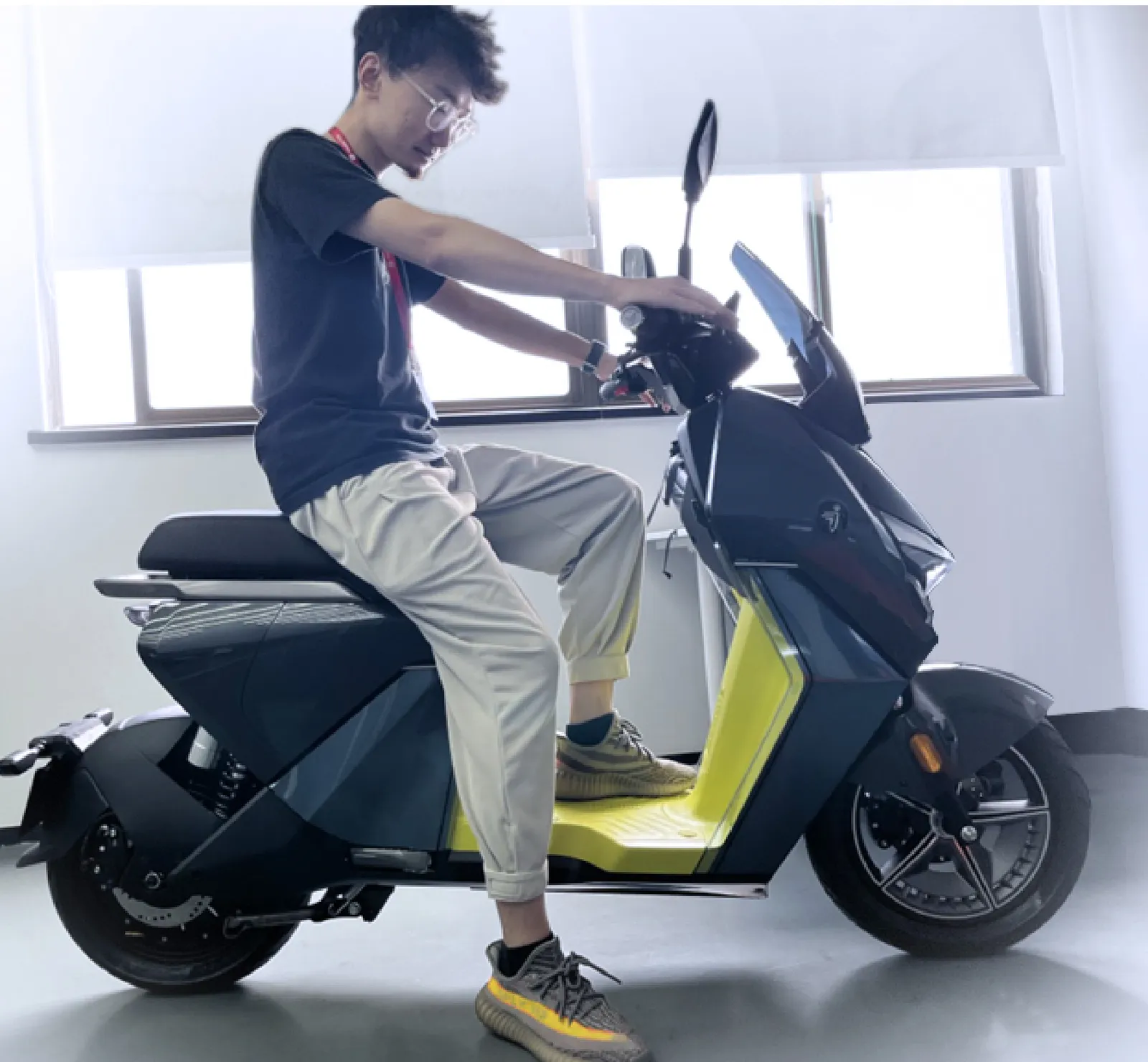
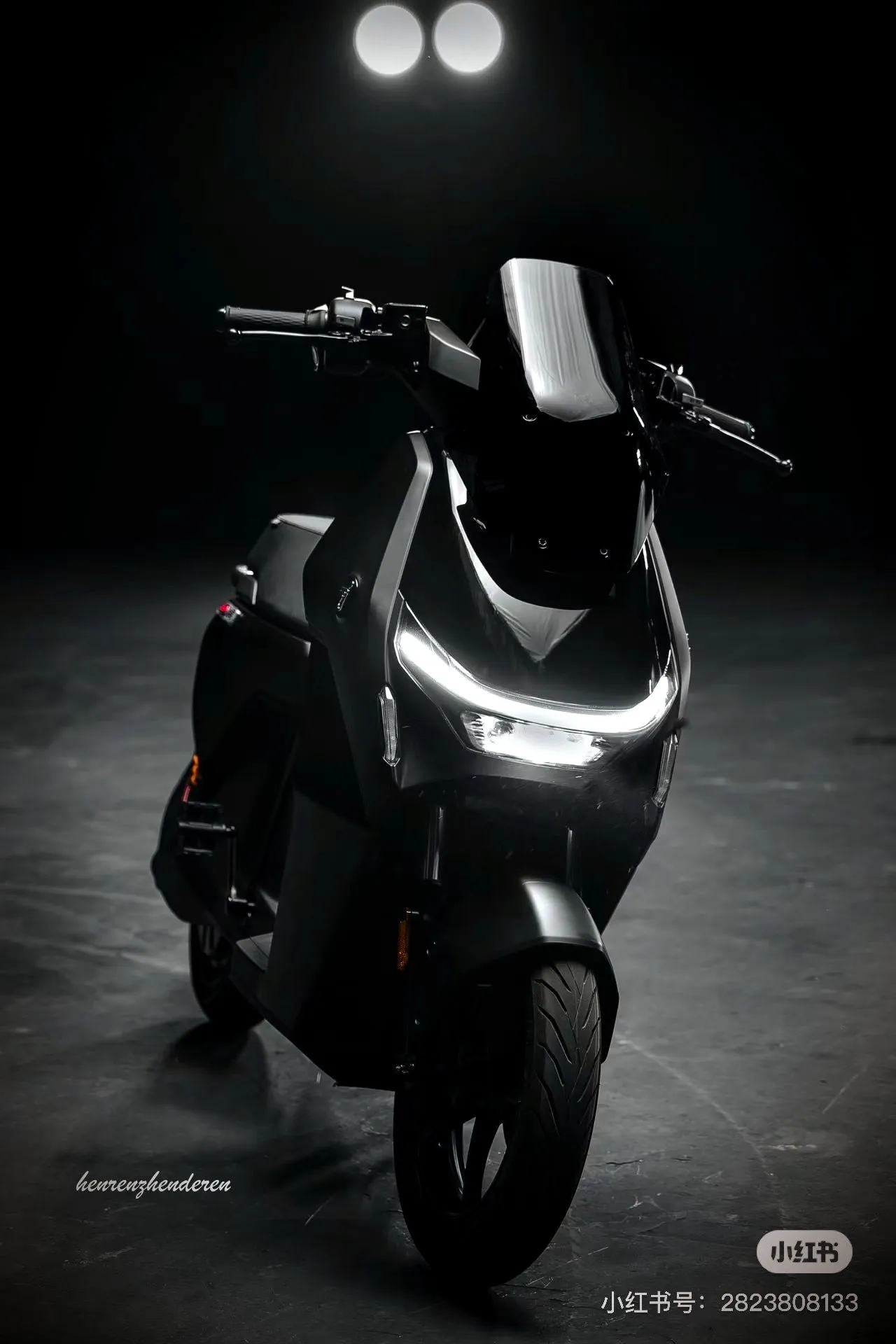
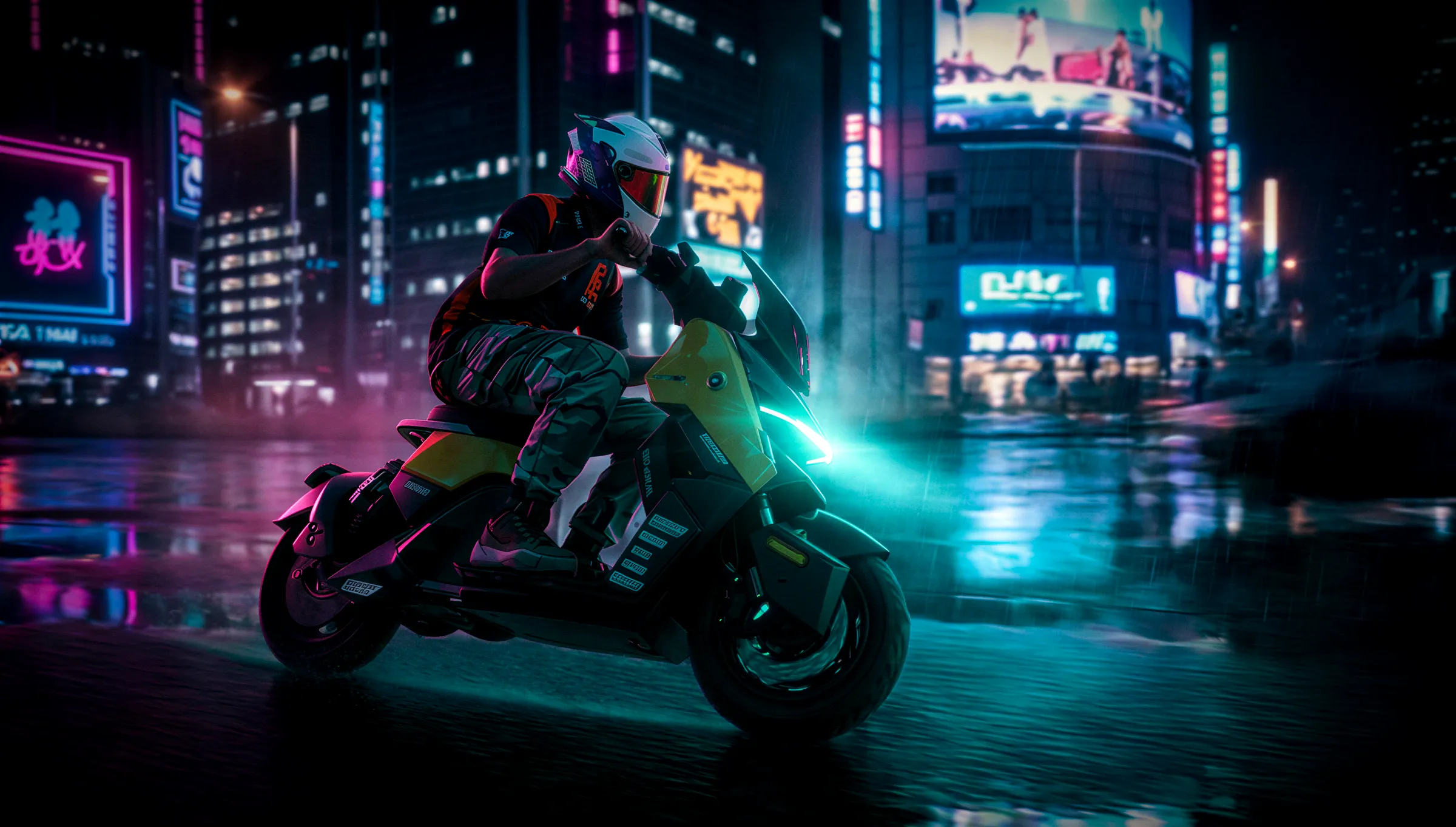
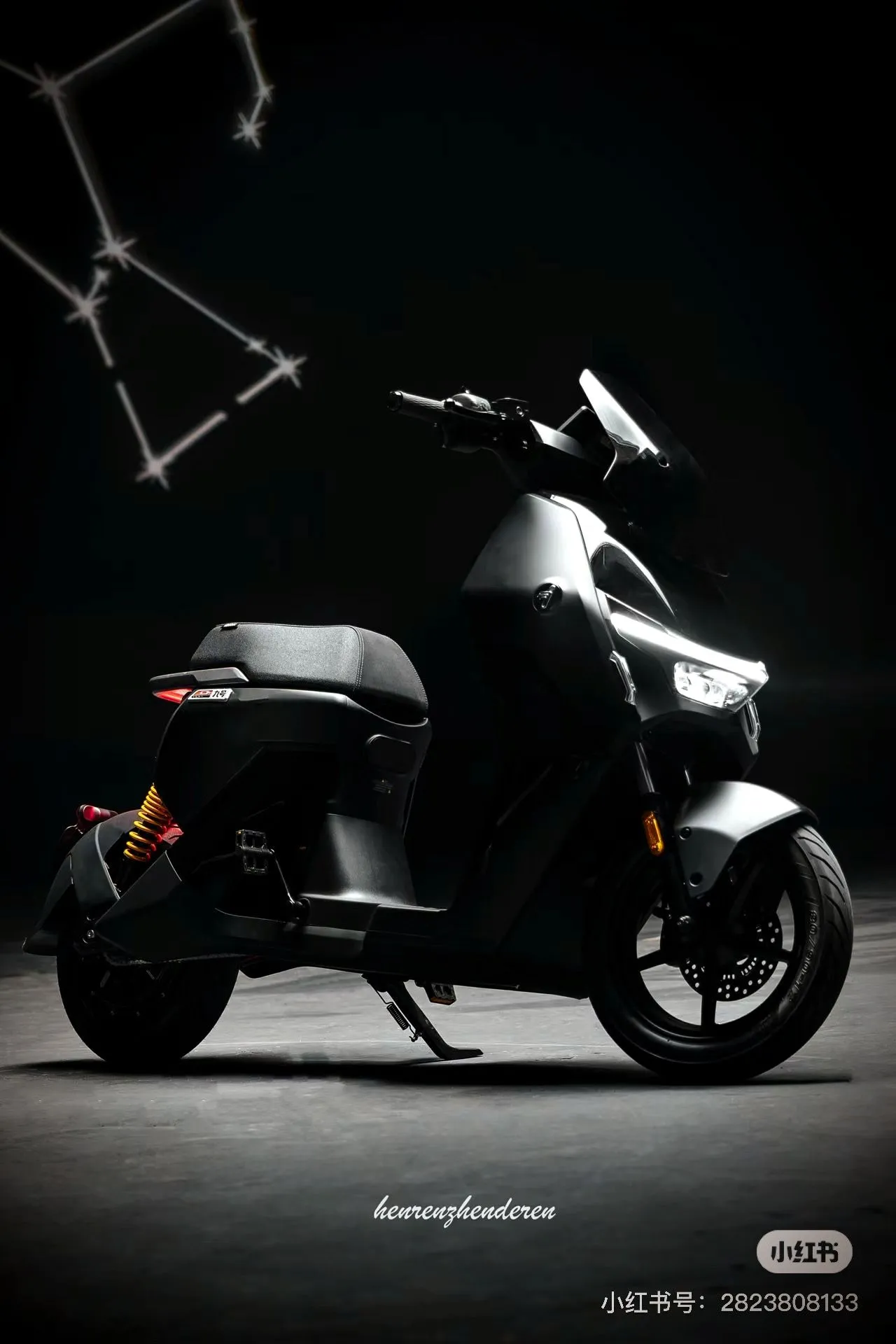
Ninebot Dz. In production since late 2024, in single and two-seat versions.
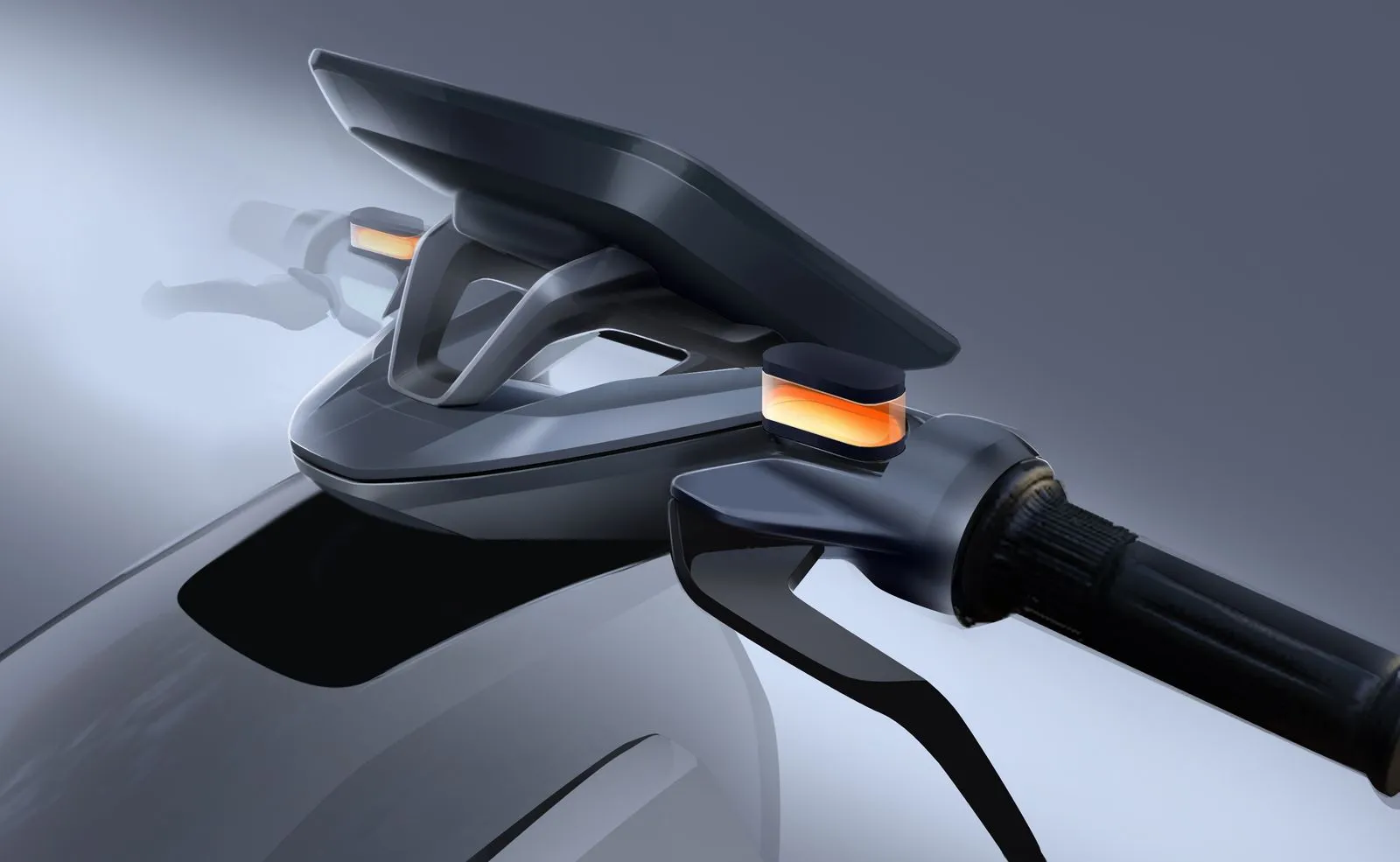
Details people notice.
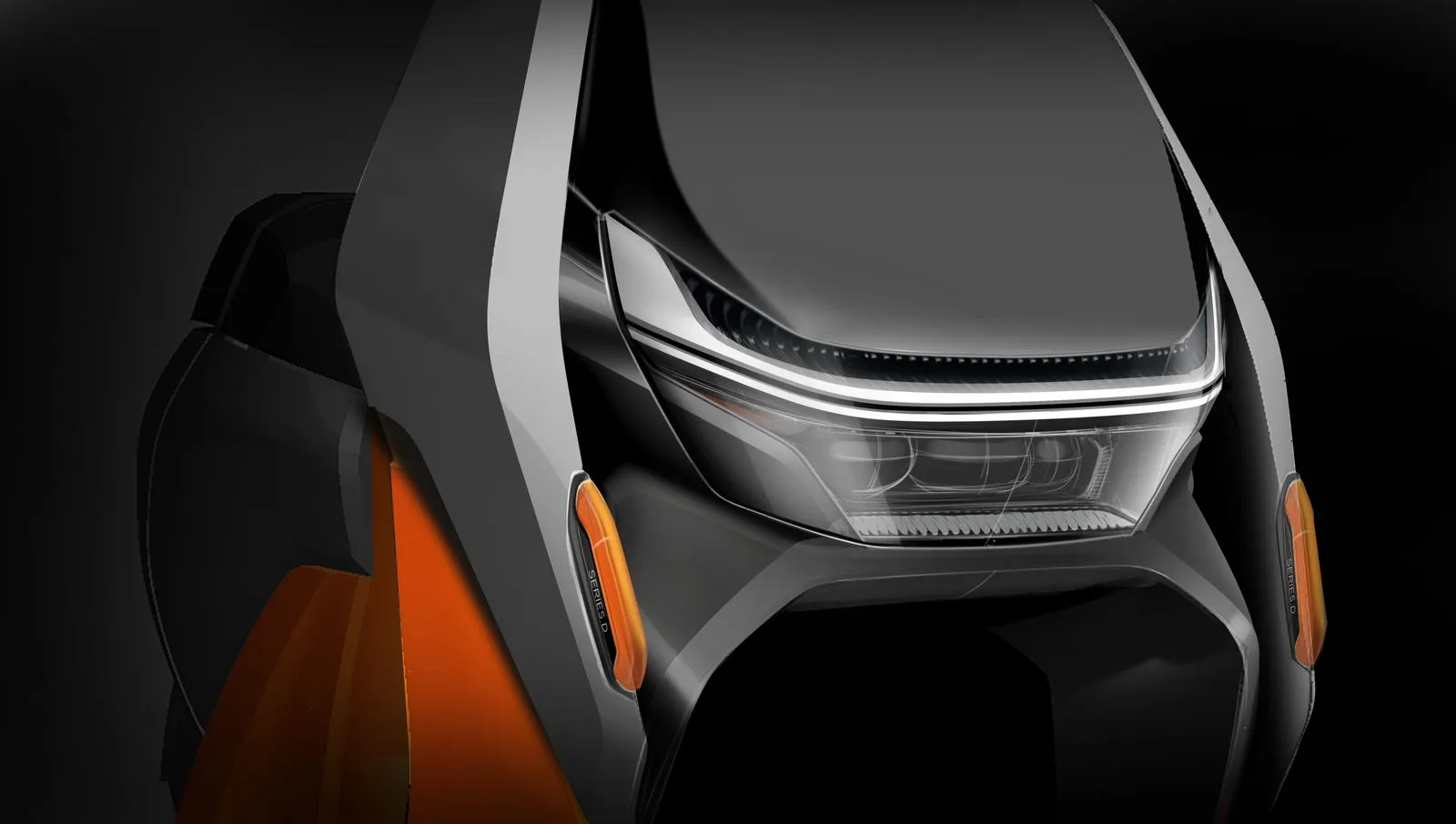
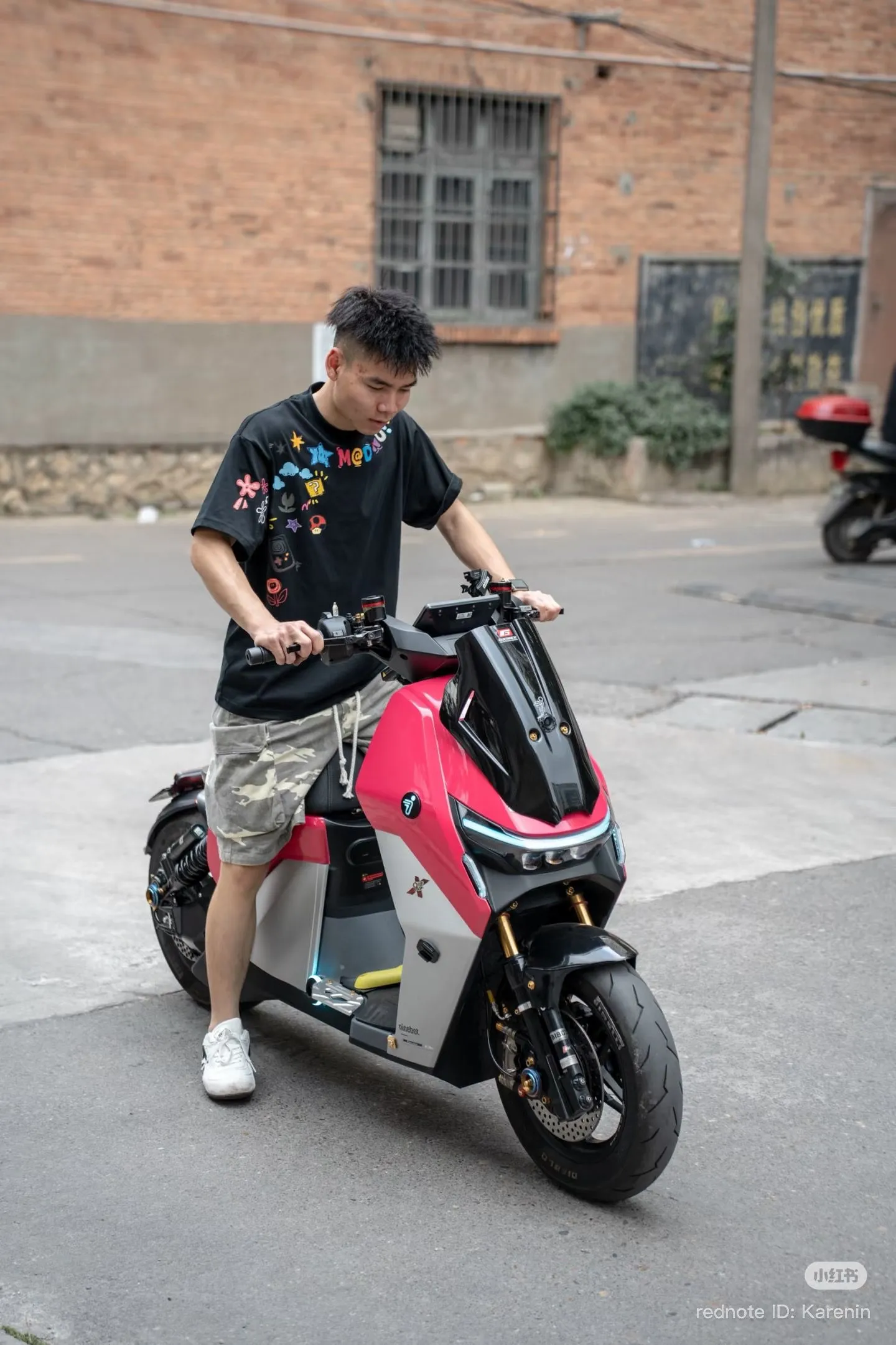
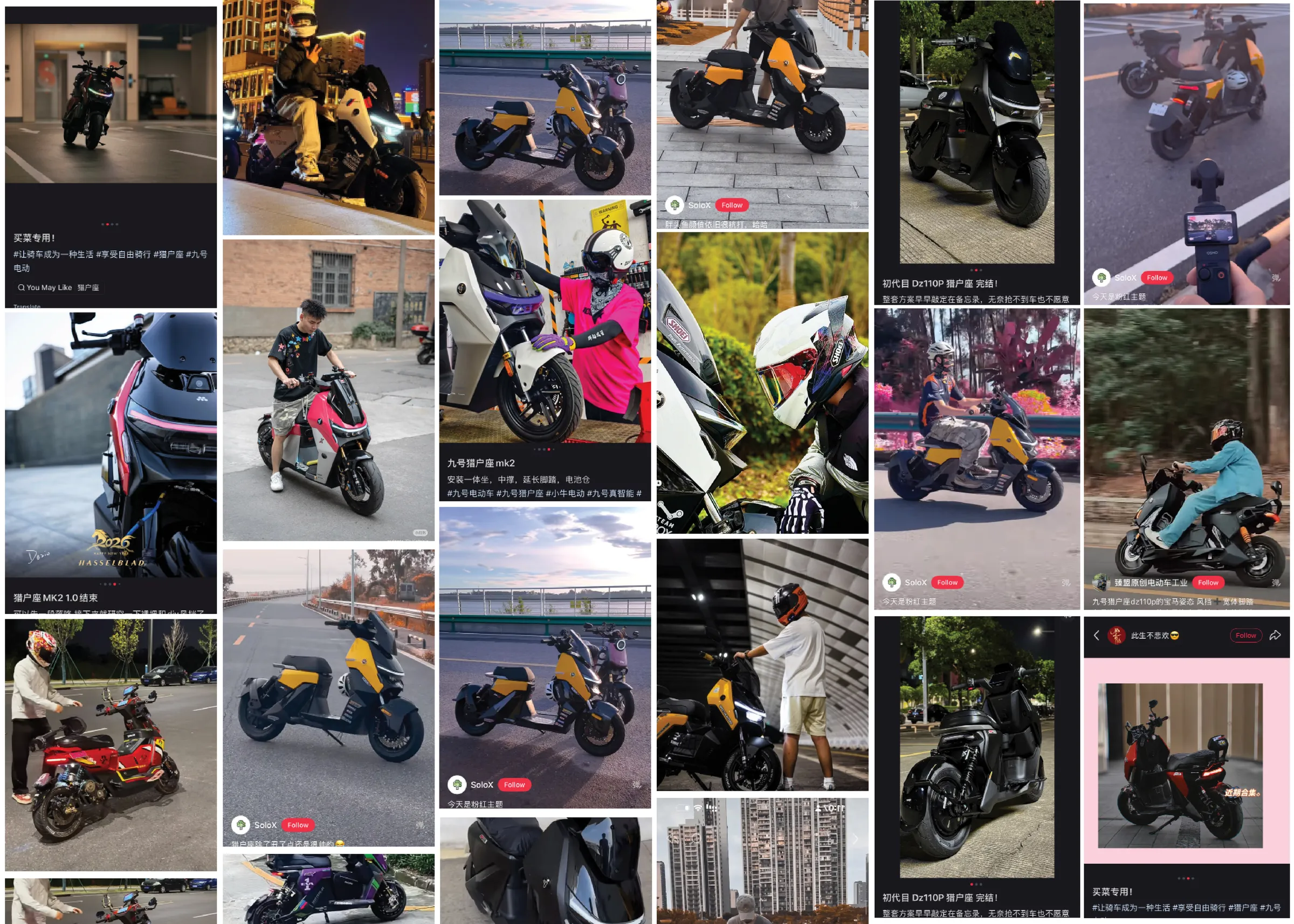
People didn’t just buy it. They made it theirs.
- Sold outfirst production run
- Premiumprice point held in its segment
- 2 versionssingle and two-seat
- More workthe client came back with the Q and V series
Owners customised it, photographed it and shared it everywhere. It stayed desirable even after regulations changed.
What I took away
Good design starts by solving the right business problem.
Design isn’t only about making things look good. It’s about making them work, for the user and for the business.
Next story · Psychology
Sarco Yacht
“How do you design for people who operate at their highest level?”
Read the story